Products You May Like
Picture this: you’re navigating a busy airport with two toddlers in tow, a mountain of luggage at your heels, and the sinking realization that your stroller simply isn’t cut out for the chaos. Sound familiar? For parents of two young children, travel can feel less like an adventure and more like an endurance test — especially when your gear works against you instead of for you.
Choosing the right double stroller is one of the most impactful decisions you’ll make as a traveling parent, yet the sheer volume of options on the market makes it genuinely overwhelming. Which style suits your lifestyle? How light is light enough? What features actually matter when you’re rushing through terminals or strolling cobblestone streets?
This guide is designed to cut through the confusion. Whether you’re planning weekend getaways or international trips, and your children are anywhere between 6 months and 3 years old, you’ll find everything you need here — from understanding the key differences between stroller types to identifying the lightweight, travel-friendly features that make all the difference. Parents who already invest carefully in their infant gear — researching everything from feeding accessories to carriers from trusted names like Momcozy — understand instinctively that the stroller decision deserves the same level of scrutiny. By the end, you’ll have the clarity and confidence to choose a double stroller that turns travel from stressful to seamless.
Why a Double Stroller is Essential for Modern Family Travel
Family travel has changed dramatically over the past decade. Parents are no longer waiting until their kids are older to explore the world — they’re booking flights, road trips, and international adventures with infants and toddlers in tow. This cultural shift has made reliable, travel-ready gear more important than ever, and at the center of that gear list sits the double stroller.
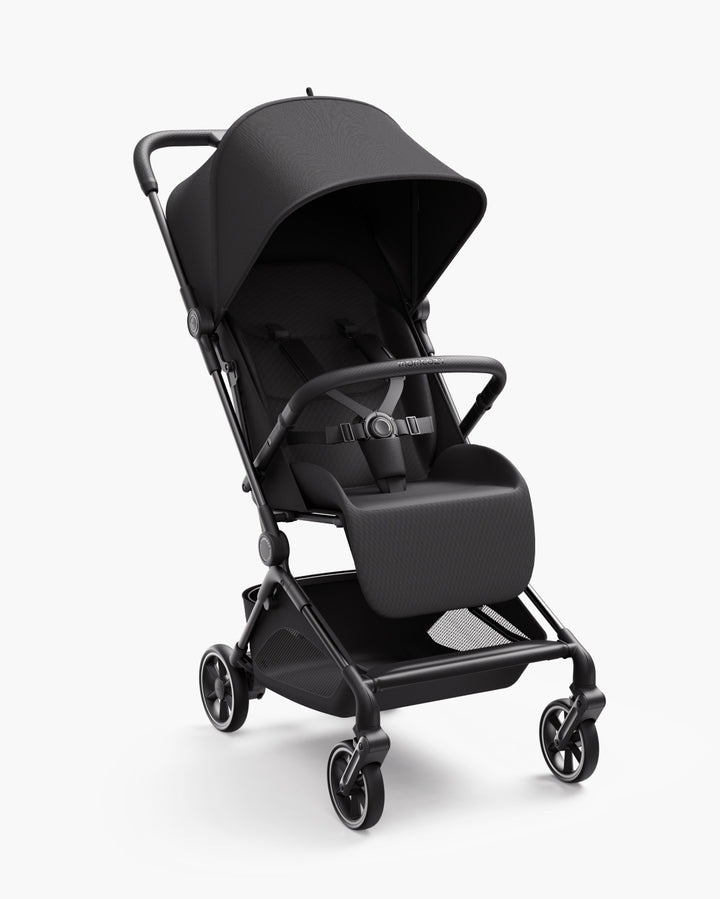
For parents managing two young children simultaneously, a double stroller isn’t a luxury — it’s a lifeline. It keeps both kids safely contained in busy, unpredictable environments like airports, train stations, and tourist attractions where losing sight of a child for even a moment is a genuine risk. Beyond safety, it dramatically reduces the physical toll of travel. Carrying one child is tiring enough; managing two on foot across long distances is simply unsustainable.
Comfort plays an equally important role. Well-rested, comfortable children make for smoother travel days, and a quality double stroller provides the familiar, secure environment kids need to nap, snack, and stay calm amid the stimulation of new places. Parents benefit too — having a reliable place to store bags, snacks, and essentials keeps the whole journey more organized.
The wrong stroller, however, turns every transit moment into a struggle. Bulky frames that don’t fit through narrow doorways, heavy designs that resist overhead storage, and flimsy wheels that buckle on uneven terrain all chip away at the travel experience. A well-chosen double stroller eliminates these friction points entirely, transforming what could be an exhausting ordeal into a genuinely enjoyable family adventure.
Decoding Stroller Types: Baby, Travel, and Lightweight Strollers Compared
What Defines a Standard Baby Stroller?
A standard baby stroller is built for the long haul — think padded seats, robust suspension systems, large storage baskets, and frames designed to withstand years of daily use. These strollers prioritize comfort and durability above all else, making them excellent companions for neighborhood walks, park visits, and routine errands. For travel, however, their strengths become liabilities. Standard double strollers tend to be heavy, wide, and cumbersome to fold, which creates real friction in airports, on public transport, and anywhere space is at a premium.
The Advantages of a Dedicated Travel Stroller
A travel stroller is engineered specifically for mobility. Every design decision — from the quick-fold mechanism to the compact silhouette — is made with transit in mind. Many travel strollers are built to fit within airline carry-on dimensions, eliminating the stress of gate-checking or baggage claim delays. They typically feature one-hand folding, carrying straps or bags for easy transport, and frames narrow enough to navigate airport security lanes and hotel corridors without a battle. For families who travel frequently, a dedicated travel stroller isn’t just convenient — it’s genuinely transformative.
Why Lightweight Strollers are a Game-Changer for Parents
Weight matters enormously when you’re lifting a stroller into an overhead bin, hauling it up subway stairs, or folding it one-handed while managing a toddler with the other. A lightweight stroller — generally anything under 20 pounds for a double — dramatically reduces physical fatigue and logistical complexity over the course of a trip. The best lightweight stroller options strike a careful balance: they shed unnecessary bulk without sacrificing structural integrity or child comfort. For traveling parents, shaving even a few pounds off their gear load can mean the difference between arriving at a destination energized or exhausted.
Key Features to Evaluate in a Travel-Friendly Double Stroller
Weight and Portability for Seamless Travel
When evaluating a lightweight stroller for travel, start by checking the total folded dimensions against airline carry-on policies — this single detail can save enormous hassle at the gate. Beyond raw weight, assess how the stroller folds: does it collapse in one motion, or does it require two hands and a tutorial? Look for integrated carrying straps or a travel bag, since you’ll often need to sling the stroller over your shoulder while managing children and luggage simultaneously. A double stroller that folds flat and stands independently when closed is a practical bonus in crowded terminals.
Safety and Durability on the Road
Travel exposes strollers to rougher handling than everyday use — think baggage handlers, cobblestone streets, and hasty folding under pressure. A five-point harness is non-negotiable for securing both children securely across different terrains. Equally important are the brakes: look for a parking brake that engages easily with one foot and holds firmly on inclines. Check the frame material for a balance between rigidity and light weight, and inspect wheel quality — swivel front wheels with a lockout option handle both smooth airport floors and uneven outdoor surfaces without compromising control.
Comfort and Storage Solutions
Children who aren’t comfortable become a travel problem in themselves. Prioritize seats with multiple recline positions so both kids can nap independently, and look for extendable UPF-rated canopies that provide sun protection during outdoor exploration. On the storage front, a well-designed under-seat basket should be accessible even when seats are reclined — a surprisingly rare feature worth verifying before committing. Parent-facing cup holders and a back pocket for quick-access essentials like boarding passes and snacks round out a genuinely travel-ready double stroller.
Step-by-Step Guide to Choosing Your Ideal Double Stroller
Step 1: Assess Your Specific Travel Needs and Lifestyle
Before comparing a single model, get honest about how and where you actually travel. A family taking two international trips a year has fundamentally different needs than one making weekly road trips to national parks. Consider your children’s ages and size difference — a significant gap may call for a tandem stroller with adjustable seating, while similarly-aged toddlers often do better side-by-side. Think about terrain: urban travelers need maneuverability and a slim profile, while outdoor-focused families should prioritize all-terrain wheels and suspension. Your honest answers here will immediately eliminate a large portion of the market, making every subsequent step much simpler.
Step 2: Set a Realistic Budget and Prioritize Features
Double strollers span a wide price range, and spending more doesn’t automatically mean getting what you need for travel. Once you’ve defined your lifestyle requirements, rank your must-have features — lightweight frame, one-hand fold, airline compatibility — against nice-to-haves like premium canopies or memory foam seats. Allocate your budget toward the features that directly address your highest-friction travel moments. A mid-range stroller that folds in seconds and weighs under 20 pounds will serve most traveling families better than a premium model loaded with features that add weight and complexity.
Step 3: Conduct a Thorough Stroller Comparison
With your priorities defined, a structured stroller comparison becomes straightforward rather than overwhelming. Create a simple side-by-side list of your shortlisted models and evaluate each against three core categories: folded dimensions versus airline standards, total weight with children’s combined load capacity, and key safety certifications. Read verified parent reviews specifically from travelers — not just everyday users — since travel conditions reveal weaknesses that neighborhood use never will. Pay attention to recurring complaints about wheel durability, fold mechanisms breaking down, or canopies detaching under wind, as these patterns signal real-world limitations. Browsing parent communities where families share gear recommendations across categories — from strollers to infant care essentials from brands like Momcozy — can surface candid, experience-based insights that formal review sites often miss.
Step 4: Test and Validate Your Choice
Whenever possible, test your top choice in person before committing. Visit a specialty baby store and physically fold and unfold the stroller one-handed while a staff member hands you something to hold — this simulates the reality of managing a child simultaneously. Push it through a narrow doorway, check how quickly the brakes engage, and verify the harness adjusts smoothly. If in-store testing isn’t possible, prioritize retailers with generous return windows and seek out video reviews from travel bloggers who demonstrate the stroller in actual airports and on real cobblestone streets. Real-world footage reveals far more than spec sheets ever will.
Final Tips for a Confident Purchase Decision
Choosing the right double stroller ultimately comes down to matching the gear to your real life, not an idealized version of it. Resist the temptation to over-invest in features you’ll never use, and don’t compromise on the handful of elements that directly affect your most common travel scenarios. Once you’ve done your research and tested your top choice, trust the process — second-guessing a well-reasoned decision rarely leads anywhere productive. Buy from a retailer with a solid return policy, register your stroller for warranty purposes, and then shift your energy where it belongs: planning the adventure itself.
Your Family Adventure Starts Here
The right double stroller won’t just carry your children — it will carry your entire travel experience forward. Throughout this guide, we’ve covered the essential ground: understanding how standard baby strollers, dedicated travel strollers, and lightweight strollers each serve different needs; identifying the features that genuinely matter when you’re on the move; and following a step-by-step process to cut through the noise and make a decision grounded in your real life, not marketing copy.
What it comes down to is this: the best double stroller for travel is the one that removes obstacles rather than creating them. When your gear works seamlessly, you’re free to be fully present with your children — noticing the wonder on their faces at a new destination, rather than wrestling with a fold mechanism at the departure gate.
You now have the framework to evaluate your options clearly and confidently. Trust your research, lean on your priorities, and don’t let perfect be the enemy of great. The world is remarkably accessible with young children when you have the right stroller beneath you. Now go plan that adventure — your family is ready for it.